The Moth Hours: Keeping Britain's Nocturnal Insects as a Form of Prayer
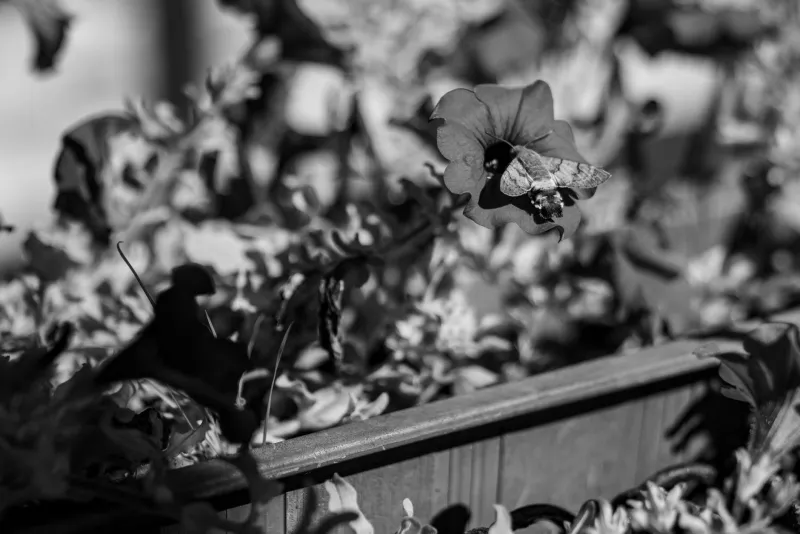
The trap goes out at dusk. By the time you return to it — thermos in hand, dressing gown over pyjamas, torch beam cutting a weak cone through the dark — something has gathered. Maybe a dozen visitors. Maybe a hundred. Maybe, on a good warm night in July, so many that the egg boxes inside look like a Victorian wallpaper sample book come to life.
This is moth trapping, and I'd argue it is the most under-appreciated nocturnal ritual in Britain. Not a hobby so much as a vigil.
The Mechanics of Devotion
The kit is humble. A light-sheet or a simple Skinner trap — a box with sloped perspex sides and an egg box or two inside for the arrivals to settle on. The moths come to the light, tumble in, and then do what moths do best: nothing. They sit. They wait. They become, briefly, yours to observe.
You do not harm them. That's rather the point. You note the species, count them, photograph the ones you can't identify, and then you release them into the hedges before the birds wake and the light betrays them. The whole practice is built on a promise: I will look at you, and then I will let you go.
There are older words for that kind of transaction.
What the Dark Actually Contains
Here is the thing most people never learn: Britain has around 2,500 species of moth and only about 60 butterflies. The butterfly gets the meadows, the magazines, the metaphor. The moth gets the porch light and a bad reputation for jumpers.
Yet spend a few sessions with a trap and you start to see the injustice. The Elephant Hawk-moth, pink and olive like something from a jewellery catalogue. The beautiful Golden Y, wearing actual metal. The Poplar Hawk-moth, so large your first instinct is to check the door is locked. These are not brown things that eat your cardigans. They are the night shift of the pollinator world, and they are quietly vanishing.
Which is where the recording comes in. Every count you make goes to your county moth recorder, who feeds it into national datasets. Your garden becomes a data point. Your 3am insomnia becomes science. It is, in the most literal sense, a way of being witnessed-to-witness: you attend to the moths, and somewhere in a spreadsheet, someone attends to that.
The Liturgy of the Small Hours
I use the word prayer carefully, and I use it deliberately.
Whatever your beliefs, prayer at its most functional is this: the deliberate slowing of yourself in front of something larger than yourself, without expectation of return. Moth trapping fits that definition exactly. You cannot make the moths come. Weather, moon phase, the mysterious preferences of insects — all of it is out of your hands. You simply set the light, keep the vigil, and accept what arrives.
Some nights: nothing but a couple of Common Marbles and a midge problem. Other nights, in the words of one recorder I spoke to, "the trap looks like Harrods got hit by a glitter bomb." You learn to hold both outcomes with the same equanimity. That is the discipline. That is the practice.
And there is the setting, too. The garden at 2am in June is a different country. Blackbirds ticking in their sleep. The smell of honeysuckle doing its one job. A sky that, if you're lucky and far enough from a city, still remembers what stars are. You stand there in your dressing gown holding a pot with a micro-moth in it, and you feel — there's no better word — small.
How to Begin Your Own Vigil
Start simple. A cheap LED light sheet and a white sheet hung over the washing line will bring moths to you on any mild, still night. If you catch the bug (forgive me), a beginner's Skinner trap runs about £50 and lasts decades.
Join your local branch of Butterfly Conservation — every county has a moth recorder whose details are a Google search away, and most are delighted to identify your blurry phone photos. Invest in a good guide; the Waring and Townsend Field Guide is the bible. Learn twenty species in your first summer and you'll know more than most of your street.
Then keep the hours. Dusk to set the trap, dawn to open it. Tea optional but recommended. Company unnecessary.
What You're Really Keeping
The records matter. The conservation matters. Moth populations have crashed across parts of Britain, and every garden count is a small act of evidence against forgetting.
But what you're really keeping, night after night, is a version of yourself that can stand in the dark without needing anything from it. That can open a trap, marvel, count, and let everything fly free — asking nothing back but the having seen it.
The moths don't know you're there. That's the grace of it. You show up anyway.