Beneath the Bricks: Why Britain Is Falling Back in Love with the Cellar
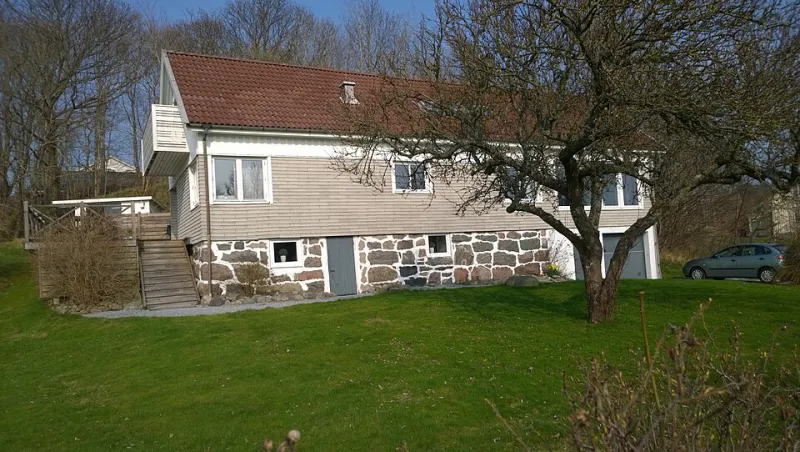
Photo: Ingwik, CC BY-SA 4.0, via Wikimedia Commons
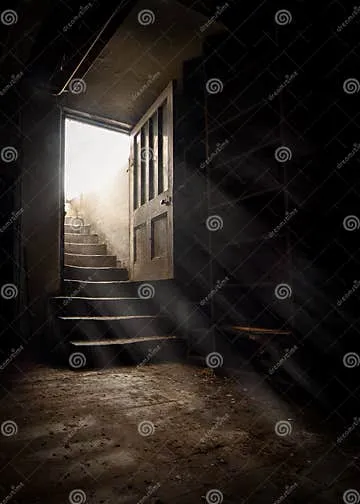
There is a moment, on the third or fourth step down, when the noise changes. The traffic softens to a rumble. The central heating's hum disappears into the walls. Your hand finds a rail polished smooth by a century of other hands, and the air turns cool and mineral against your face.
You are underground. And increasingly, it seems, so is everyone else.
The Vault Economy
In Bristol, a wine club now hosts its tastings in a Victorian cellar cut into the hillside off Park Street — members pay £30 a session to sit among damp stone and candle stubs, swirling Syrah while the city hums somewhere far above. In Edinburgh, vaults beneath the Old Town have shifted from ghost-tour fodder to something quieter: supper clubs, listening sessions, small gatherings of people who seem less interested in spooks than in the simple, velvety dark.
It would be easy to file this under atmosphere. But there's something else going on. These spaces are being rented not because they're haunted or historic, particularly, but because they are removed. In a culture where every room is lit, connected and on-call, the cellar is the last genuinely off-grid room most of us will ever stand in.
The Room That Doesn't Perform
Modern interiors are, in a sense, performances. The kitchen is staged for Instagram. The living room is a backdrop for video calls. Even the bathroom has been promoted to a spa. Every space above ground has been asked to justify itself — to look good, work hard, earn its keep.
The cellar has never been asked to do any of this. It doesn't perform. Nobody paints a cellar in Farrow & Ball. It stores what we're not using, cools what needs cooling, and waits. Its very uselessness, by contemporary standards, is what makes it precious.
Psychologists who study place talk about 'restorative environments' — spaces that demand nothing of our attention. Most research focuses on green landscapes, but there's a case to be made that the underground room is the urban equivalent: no windows to monitor the weather, no daylight telling you to be productive, no view out to a world you feel obliged to manage. Just walls, coolness, and the sound of your own breathing arriving back at you.
Descending on a Sunday
Plenty of homeowners are rediscovering this without ever joining a wine club. Terraced houses across Sheffield, Halifax, Bath and a hundred other towns sit atop original stone cellars — bricked up, boarded over, or consigned to the tumble drier and a decade of forgotten paint tins. A quiet movement of restorers is scraping back the render, clearing the coal chute, and reclaiming these rooms not as extra bedrooms but as something more peculiar: a space for keeping things, for sitting, for being out of the light.
One Manchester reader described her restored cellar as 'the only room in the house where my phone dies and I'm glad about it.' Signal drops to nothing two steps from the bottom of the stairs. The room enforces the retreat you keep promising yourself.
If you're lucky enough to have one — or can borrow access to a friend's — a small ritual to try: go down at dusk with nothing but a candle or a single lantern. Sit for ten minutes. Let your eyes adjust properly to the dark; it takes longer than you think, closer to twenty minutes for full night vision. Notice what the silence is actually made of. Pipes. Distant footsteps. The particular hush of two metres of brick between you and the street.
What the Dark Is For
We've spent a century treating darkness as a problem to be engineered away — and we've never been more exhausted. The cellar's quiet renaissance suggests a correction in progress. Not a retreat from the world, exactly, but a scheduled appointment with the underneath of things.
Our grandparents didn't romanticise these rooms; they worked in them, stored in them, kept the preserves cold and the apples bruised-free. But they understood, without needing to say it, that a house needs a place of shadow the way a piece of music needs a rest between notes.
The wine clubs and the vault supper clubs will come and go. The stone rooms will outlast all of us, cool and patient as ever. The invitation, really, is simpler than any of it: find your dark. Take the stairs down. Stay a while.