Know Them, Never Nibble Them: A Field Guide to Britain's Beautiful Poisoners
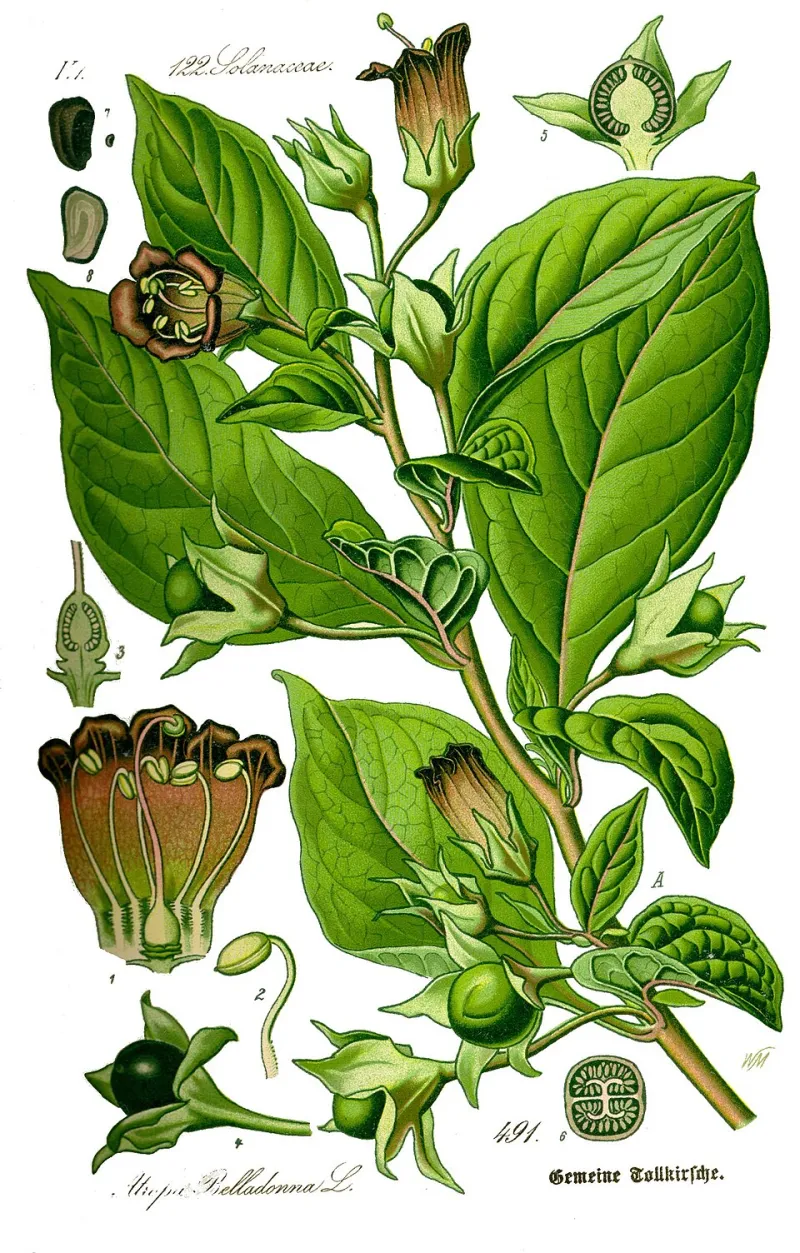
Photo: User:Kilom691, Public domain, via Wikimedia Commons
There is a moment on every poisonous plant walk when the guide stops the group, points at something unremarkable lurking by a footpath, and says the words that change how you see the countryside forever: 'That could kill you. That one, there. The pretty one.'
For a growing band of British foragers, herbalists and gothic-leaning walkers, that moment is the whole point. We are not out here to fill baskets. We are out here to learn the names of the plants our ancestors feared, whispered about and — occasionally, disastrously — ate.
The Pull of the Forbidden
Every foraging book has a chapter it apologises for. The deadly ones get a paragraph, a warning, a skull-and-crossbones emoji if the author is feeling modern. But there is something faintly absurd about treating hemlock as a footnote. These are plants with body counts. Plants that shaped history, killed philosophers, felled armies and sent Victorian children to early graves. They deserve to be known — properly, intimately, respectfully.
And there is a quieter truth underneath: learning about dangerous plants makes you a better forager, full stop. You cannot safely ignore the good stuff — elderflower, wild garlic, the lot — until you can confidently rule out its murderous lookalikes. Fear, properly educated, becomes discernment.
Three to Know Before You Go
Hemlock (Conium maculatum). The one that sorted out Socrates. Tall, lacy, deceptively cow-parsley-ish, with the telltale purple blotches on a smooth, hollow stem. Crush a leaf and you'll get a distinctly mousy, unpleasant smell — nature's way of saying no. It favours damp ground, ditches and riverbanks, and every part of it is toxic.
Deadly nightshade (Atropa belladonna). Rarer than folklore suggests and mostly confined to woods, scrub and ruins, particularly in southern England and the Welsh borders. Bell-shaped purple-brown flowers, glossy black berries, and a long history as a cosmetic, a poison and a flying ointment ingredient. The Latin name means 'beautiful lady' — the Venetians reportedly dropped it into their eyes to dilate their pupils. Beauty has always had a price.
Foxglove (Digitalis purpurea). The gentle giant of the trio, and the one you've almost certainly admired without a second thought. Those cathedral spires of purple bells line British hedgerows every June, and inside every part of the plant is digitalin — a heart medicine in controlled doses, a heart-stopper in careless ones. It is the perfect illustration of the forager's oldest rule: the line between remedy and poison is a knife's edge, and amateurs don't get to hold the knife.
Where to Pay Your Respects
If you'd rather meet the poisoners with an expert between you and them, Britain offers some properly atmospheric options.
The Poison Garden at Alnwick Castle, Northumberland. Behind black gates, under warning signs, grows one of the most notorious collections of toxic plants in the world — hemlock, belladonna, ricin-producing castor beans and more, all grown and interpreted with grim relish. Guided entry only, and quite right too.
The Chelsea Physic Garden, London. London's oldest botanic garden has a dedicated garden of medicinal plants and runs tours that don't shy away from the lethal history of its specimens. A civilised way to spend an afternoon being quietly terrified.
Guided foraging walks with a safety-first bent. Look for walks led by qualified foragers — the Association of Foragers is a good starting point — and check whether they cover toxic lookalikes. The best guides spend as much time on what not to pick as what to fill your basket with.
A Ritual of Respect
There is a small practice worth adopting on any walk through dangerous country. When you identify a toxic plant — truly identify it, stem to flower — pause. Don't pick it. Don't pocket a 'sample'. Just look, name it, and leave it be.
It sounds like nothing. It isn't. In a culture that treats nature as a resource to be harvested, hashtagged or optimised, choosing to simply know something and walk on is quietly radical. Our ancestors put warnings in the names: deadly, bittersweet, woody nightshade. They knew that respect and fear are not the same thing, and that the wisest relationship with the forbidden is the one where you keep your hands in your pockets.
The hedgerows are waking up for another season. Go and meet the poisoners. Learn their names. Then let them keep their secrets — and their berries — exactly where they are.