After the Sun Clocks Off: A Case for Gardening by Moonlight

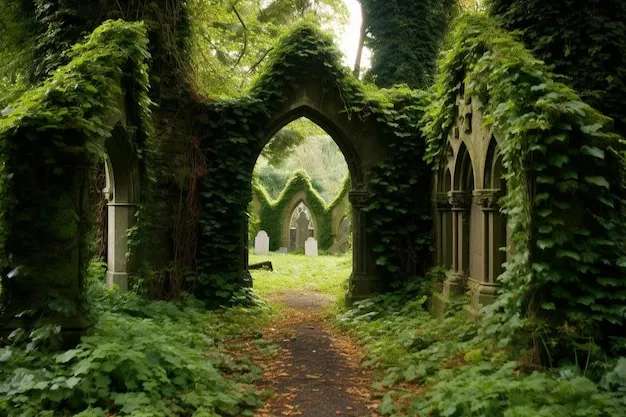
Photo by Photo by diana empty on Unsplash on Unsplash
There is a particular hour — you'll know it — when the garden stops being a project and becomes a presence. The bins have been put out. The neighbour's telly has settled into its evening murmur. And out there, in the blue-black half-light, your borders are doing something they never do at noon: glowing.
We spend so much of the British year chasing light that we forget the garden keeps its own hours. The moon garden — planted in whites, silvers and night-bloomers specifically to be enjoyed after dark — is having a quiet moment, and honestly, it's about time. For those of us who already keep midnight rituals and read ghost stories in July, it's the obvious next step: a garden that works the same shift we do.
A Very British Idea, Really
Nocturnal gardens sound like something out of a Californian wellness retreat, but the concept has deep roots here. Victorian gardeners — those champions of sentimental horticulture — adored evening-scented borders, planting tobacco plant and evening primrose along the paths to their summerhouses precisely so the fragrance could be enjoyed after supper. The white garden at Sissinghurst, though designed for daytime, proved how powerful a single-colour palette could be. And the Japanese tradition of moon-viewing gardens, with water features positioned to catch the moon's reflection, travelled into British botanical collections long ago.
There's a practical logic, too. Night-scented plants aren't being dramatic — they're on the clock. Moths and nocturnal pollinators do the work that bees do by day, and the plants reward them (and us) with perfume that would be wasted in the heat of the afternoon. Evening stock smells unremarkable at midday and intoxicating by ten o'clock. It's simply a matter of meeting the garden on its own terms.
The Palette of the Dark
The principle is simple: pale things glow, silver things shimmer, and scented things carry further in cool, still air.
The whites and creams. Nicotiana sylvestris is the undisputed queen — tall, drooping, trumpet-flowered, and heavily scented after dusk. Add white cosmos, the frothy honesty of white foxgloves, and late-season dahlias like 'Café au Lait' for a slightly decadent, funereal-lily opulence.
The silvers. Stachys byzantina (lamb's ears) catches moonlight like nothing else. Dusty miller, santolina and the ghostly bracts of Euphorbia marginata all earn their keep after dark.
The night-bloomers. Evening primrose opens as the light fades — you can genuinely watch it happen with a glass of something in hand. Night-scented stock is cheap, cheerful and astonishing. For the ambitious, the moonflower vine (Ipomoea alba) will climb a sunny wall and unfurl enormous white trumpets by evening.
The architecture. Dark-leaved dahlias, black hellebores and the near-black grass Ophiopogon planiscapus 'Nigrescens' give the garden its shadows — contrast is everything. A moon garden that's all white reads as a wedding; a moon garden with depth reads as an atmosphere.
No Garden? No Problem
The night garden scales down beautifully. A window box of night-scented stock and trailing white lobelia will scent a whole bedroom if the window's cracked open. Three pots on a balcony — nicotiana, a silver helichrysum, some white trailing verbena — will do more for your evenings than a scented candle ever could. If you're in a flat with a single north-facing window, grow the silver foliage and buy yourself a bunch of stocks from the market; the ritual matters more than the acreage.
A Year in the Night Garden
Spring (March–May): Sow night-scented stock and white cosmos directly. Plant white bluebells and the first hellebores if you missed the autumn window. Prune the silvers once the frost risk passes.
Summer (June–August): Peak season. Nicotiana, evening primrose and moonflowers in full swing. This is the season for sitting out — no tasks, just presence.
Autumn (September–November): Plant white anemones and alliums for next year. Autumn cyclamen bring pale flickers to the darkening borders. The evening garden extends its season here; dusks come earlier and last longer.
Winter (December–February): The quiet season belongs to the structural plants — black grass, silver santolina, and the first frost-touched hellebores. Sow nothing. Watch everything.
The Ritual of It
The real point of a night garden isn't horticultural. It's that it gives you a reason — a good, legitimate, horticulturally defensible reason — to step outside after dark and simply be there. Water the nicotiana at nine. Check the primrose at ten. Notice how the lamb's ears turn to pewter under a half-moon. The garden asks nothing of you at that hour, which is precisely its gift.
Light a candle if you like. Bring a blanket. Let the moth that's been circling the evening stock have its moment. The day's garden belongs to the bees and the neighbours and the to-do list. The night garden belongs to you.