Built for the Dark Season: In Defence of the Winter Person
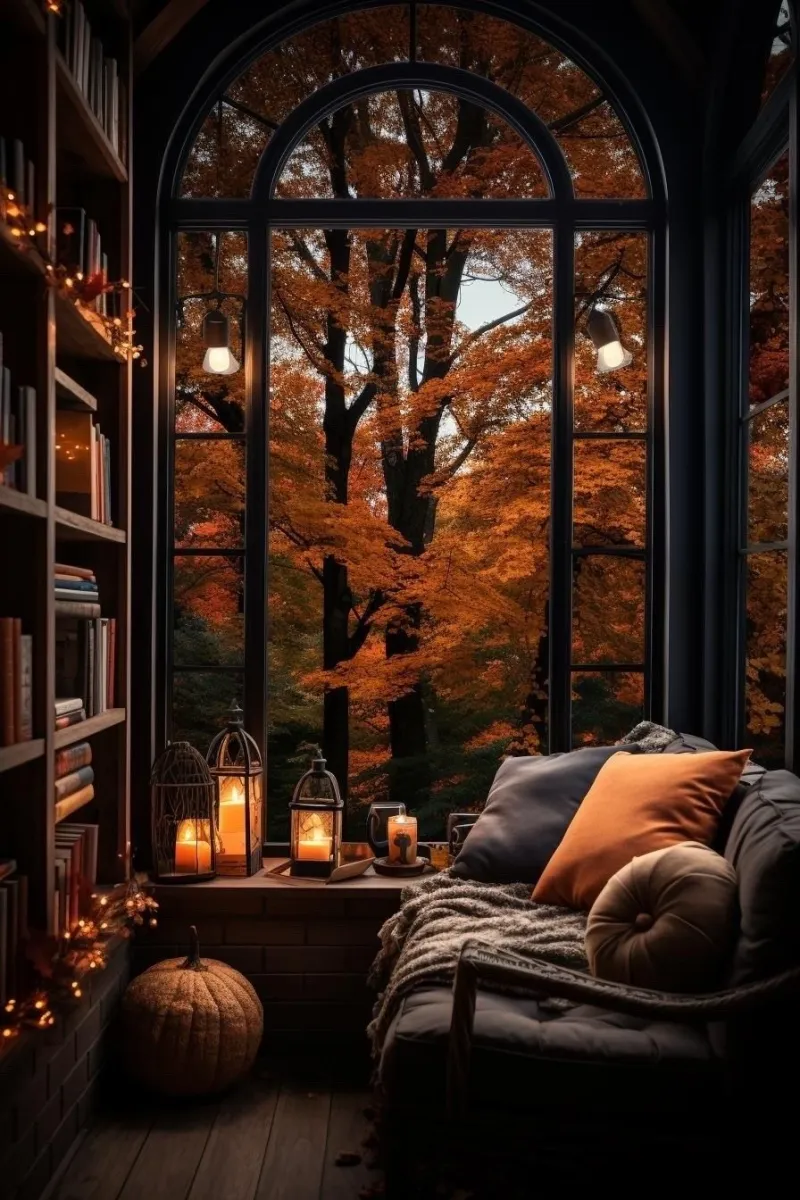
Photo: moody autumn twilight window candlelit cosy interior dark, via i.pinimg.com
There is a particular kind of exhaustion that arrives every September, and it has nothing to do with the weather. It's the exhaustion of bracing for concern — the well-meaning colleague who watches you enjoy the first proper grey week and says, gently, 'You do know about the lightbox, don't you?'
Because if you are one of those people who feels the world sharpen as the clocks go back, you will have been offered remedies. Vitamin D supplements. Sunrise alarms. A SAD lamp in the shape of a radio alarm clock, glowing at you like a small artificial dawn. The assumption is always the same: that your preference for the dark months is a malfunction awaiting diagnosis.
The Inverted Calendar
Seasonal Affective Disorder has done enormous good for winter-depressed people, and nobody should mock the lightbox that pulls a friend through February. But somewhere in the mainstreaming of SAD, a slippage happened. The winter blues became the default narrative, and anyone who doesn't share it became quietly suspect.
Dr Helen Marsh, a counselling psychologist in Sheffield who works with clients on seasonal mood patterns, puts it more carefully than I will. 'We see genuine seasonal depression, and it deserves treatment. But we also see clients who've internalised the idea that dreading summer is abnormal, when actually their energy, their creativity, their social life — it all picks up in October. For them, the problem isn't winter. It's the pressure to feel wrong about loving it.'
There's a term floating around online for these people — 'reverse SAD', or the more evocative 'summer-pattern' seasonal difficulties — and the science, thin as it is, lends some support. Research into circadian preference has long distinguished larks from owls, and some studies suggest a minority of people experience mood dips in high-summer months, when long bright evenings disrupt sleep and social expectations balloon. The British summer, with its crowded beer gardens and obligation to be cheerful under a sky that's all wrong for it, can be its own kind of sensory assault.
What the Dark Gives Back
Ask the winter people why they bloom when the nights draw in, and the answers circle back to a handful of themes.
Permission, mostly. Permission to stay in. Permission to close the curtains at four and cook something long and slow. Summer is a season of being perceived — of arms and beaches and barbecues you didn't want to attend. Winter asks nothing of you except that you come inside and get on with it.
There's also the concentration of light. When daylight is rationed, you notice it. A low golden hour in November feels like an event; the same light in June passes unnoticed. Winter people are, if nothing else, attentive — and attentiveness is the raw material of both creativity and contentment.
'It's not that I'm gloomy,' as one friend put it, defending her November birthday as the best of the year. 'It's that the world finally matches my settings.'
The Fix-It Problem
Here is where mainstream wellness earns my irritation. The same industry that sells us journalling and cold plunges and 'romanticising your life' cannot countenance romanticising the season that actually suits a good chunk of us. Hygge got imported and monetised, then somehow rebranded as another thing to do correctly — the right candles, the right blankets, the right mood board.
Real winter flourishing is less curated. It is walking home in the dark because the walk is the point. It is reading by lamplight, correspondence by post, the strange luxurious boredom of a long evening with nowhere to be. Our ancestors had a word-adjacent relationship with this: winter was the storytelling season, the mending season, the season of the fireside and the long tale. Nobody was telling them to get outside and top up their serotonin.
None of this is an argument against seeking help if winter genuinely hollows you out. It isn't. But it is an argument for a wellness culture broad enough to hold two truths at once: that the dark months devastate some people, and that they restore others. Both can be true. Only one of them currently gets the marketing budget.
So if you feel your pulse quicken when the first proper fog rolls in off the moors, if you greet the clocks going back like a homecoming — you are not a problem to be fixed with a lamp. You may simply be running on an older calendar, one that understood the year has a dark half for a reason.
Light yours accordingly.