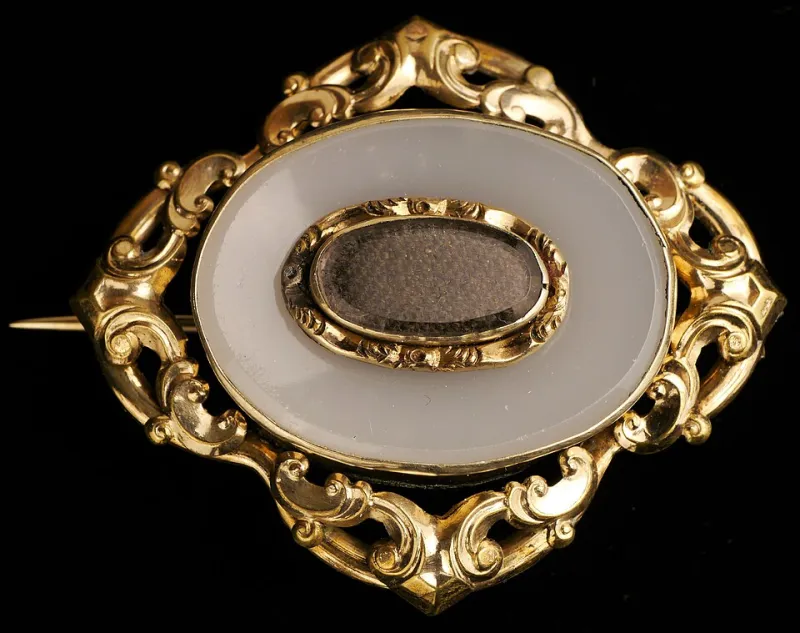
Brewing by Candlelight: The Quiet Art of the Home Apothecary
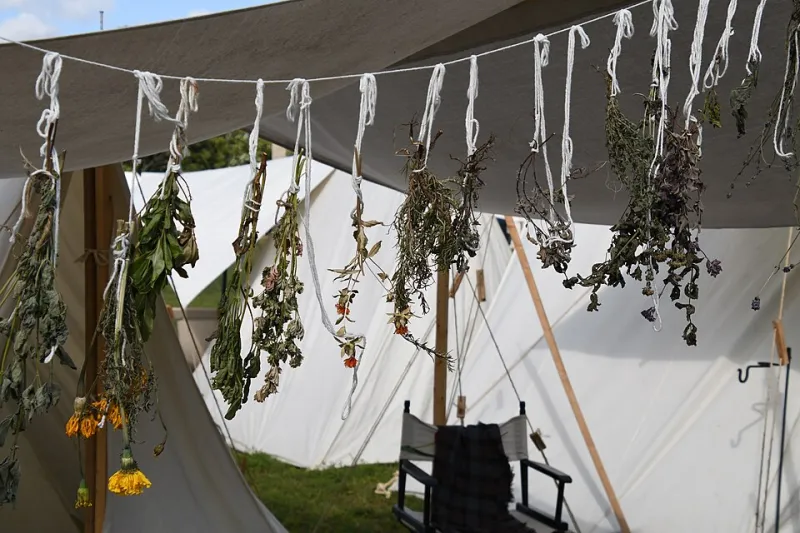
Photo: Corvair Owner, CC BY-SA 2.0, via Wikimedia Commons
There is a particular hour — you'll know it — when the house settles and the kettle seems to call more softly than it does at noon. This is the time for the apothecary's work. Not the frantic, wellness-industrial kind, but the slow, candlelit sort our great-great-grandmothers would have recognised: herbs, glass, patience, and a little darkness.
Why the Old Ways Still Work
The Victorian apothecary has become shorthand for something sinister — belladonna and bad decisions — but strip away the melodrama and you find something genuinely useful. Herbalism was, for centuries, how people cared for themselves at home. Lavender for restlessness. Valerian for sleep. Mugwort, that witchy staple, tucked into pillows to stir the dreams.
Modern science has had its say on some of these remedies, and the results are mixed but not dismissive. Valerian root has decent (if inconsistent) evidence behind it for sleep. Lavender oil has been studied for anxiety. Mugwort is more folklore than pharmacology — but folklore has its own medicine to offer, particularly when the ritual itself is the point.
And that's the honest angle here: half the benefit of a homemade remedy is the making of it. The weighing, the steeping, the labelling of little bottles in copperplate. It is mindfulness with an end product.
Building Your Starter Cupboard
You don't need much. A handful of dried herbs, some amber glass bottles, muslin, and a notebook you'll actually keep.
Sourcing matters. Skip the dusty supermarket spice rack and go to proper UK herb suppliers — Baldwins (established in 1874, pleasingly gothic in its own right), Star Child, or Napiers of Edinburgh, which has been dispensing herbal remedies since 1860. Online retailers like Herbal Haven stock organic dried herbs in sensible quantities. For the truly committed, local herb farms — there are several in Somerset, Kent and Yorkshire — sell direct at markets.
Buy small. Dried herbs lose their potency within a year, and there's nothing less gothic than a cupboard full of stale botanicals. Store in amber glass, away from light, labelled with the date.
Three Remedies for the Dark Months
The Sleep Tincture. A tincture sounds intimidating; it's just alcohol-extracted herb. Fill a clean jam jar a third full with dried valerian root and a smaller amount of lavender flowers, cover with vodka (the cheapest will do), seal, and leave in a cool dark cupboard for four to six weeks, shaking occasionally when you pass. Strain through muslin, bottle in amber droppers, and take a few drops in water before bed. Start small — valerian is potent, and some people find it vivid rather than sleepy.
The Dream Pillow. Simpler still. Mix dried mugwort with chamomile and a little dried rose, sew into a small cotton pouch, and tuck beneath your pillow. Whether mugwort genuinely enhances dreams is disputed; that you will sleep with your face pressed against lavender and roses is not.
The Midnight Tea. For evenings: one part dried chamomile, one part lemon balm, half part lavender, a sliver of dried rosehip. Steep five minutes under a saucer, drink slowly, lights low.
Safety, Said Plainly
Herbal does not mean harmless. Mugwort should be avoided during pregnancy and by anyone with allergies to plants in the daisy family. Valerian can interact with sedatives and shouldn't be combined with alcohol (ironic, given the tincture — keep doses small). If you're on any regular medication, check with a pharmacist or a qualified herbalist — the National Institute of Medical Herbalists keeps a register. And never forage herbs for remedies unless you know exactly what you're doing; misidentification is how the apothecary tradition earned its sinister reputation.
The Ritual Is the Remedy
Make the process itself the medicine. Light a candle. Decant slowly. Write the label by hand. There is a reason we find the image of the herbalist at their workbench so soothing — it's attention, made physical.
In a world of five-minute wellness hacks and supplements in plastic tubs, the home apothecary offers something rarer: remedies that take weeks, not seconds. The dark cupboard, the waiting bottle, the small ceremony at the end of the day. Brew slowly. Sleep well.